Why Is Silver Becoming More Valuable Than Gold? Understanding the Global Silver Price Rally
Why Is Silver Becoming More Valuable Than Gold? Understanding the Global Silver Price Rally
Published by: RxT – A Financial Health Clinic
Category: Investment Insights | Commodities | Wealth Management
Primary Topic: Silver Price, Silver Investment, Gold vs Silver
Source: Watch the original video on YouTube
Introduction: The Rising Importance of Silver in the Global Economy
Gold has traditionally been considered one of the safest investment assets during periods of economic uncertainty. However, another precious metal is attracting increasing attention from investors and industries worldwide: silver.
Silver prices have been experiencing significant upward pressure due to a combination of geopolitical uncertainties, growing industrial demand, currency movements, investment interest, and persistent supply shortages.
Unlike gold, which is primarily valued as a store of wealth and a financial safe-haven asset, silver has a dual role. It is both a precious metal and an essential industrial commodity.
This distinction is important when understanding why silver prices can rise for reasons beyond traditional financial market movements.
So, what is driving the growing value of silver? Could its industrial importance make it a strategically important commodity in the coming years? And what should investors understand before considering silver as part of their portfolios?
Let's explore the major factors.
1. Gold and Silver: Two Precious Metals With Different Price Drivers
Gold and silver are both precious metals, but their demand structures are considerably different.
Why does gold become expensive?
Gold is widely regarded as a safe-haven asset. Investors, central banks, and governments often increase their exposure to gold during periods of economic and financial uncertainty.
Some important factors influencing gold prices include:
Currency depreciation, particularly weakness in major currencies.
Geopolitical tensions and international conflicts.
Stock market volatility and economic uncertainty.
Inflation concerns and declining purchasing power.
Central bank purchases and increased demand for safe-haven assets.
When confidence in currencies or financial markets declines, investors may move towards gold. Increased demand can consequently push gold prices higher.
Why is silver different?
Silver is influenced by many of the same financial factors, but it also has substantial industrial demand.
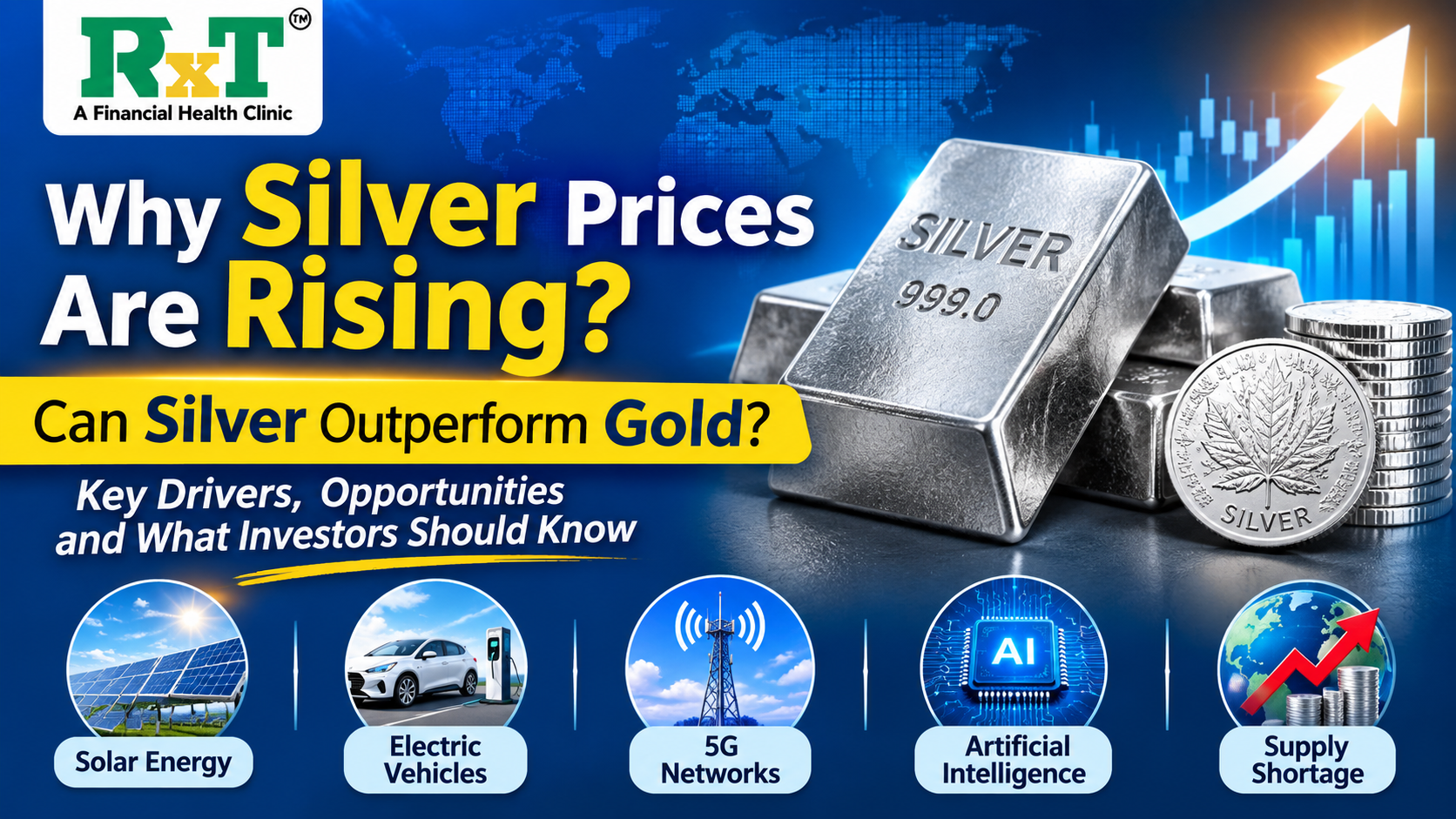
Silver is used in solar panels, electric vehicles, electronic components, communication infrastructure, and several other industrial applications.
Therefore, silver prices are influenced by two broad categories of demand:
Investment demand – investors purchasing silver as a financial asset.
Industrial demand – manufacturers and industries requiring silver for production and technological applications.
This dual demand structure makes silver particularly interesting in the changing global economy.
2. Geopolitical Tensions and Strategic Mineral Classification
Geopolitical developments are another important factor influencing silver prices.
International trade tensions, economic competition, and uncertainty surrounding global supply chains can influence the availability and pricing of strategically important commodities.
An important development discussed in the source video is the United States' classification of silver as a critical mineral.
A critical mineral is a material considered essential for a country's economic development, industrial requirements, national security, or technological advancement.
This classification highlights the growing strategic importance of silver.
When countries consider a mineral strategically important, they may seek to:
Secure domestic supplies.
Build strategic inventories.
Reduce dependence on external suppliers.
Strengthen domestic production and processing.
Review import and export policies.
Such measures can influence global commodity supply chains.
If major economies attempt to secure larger quantities of silver, competition for available supplies could increase demand and put additional pressure on prices.
3. The Growing Industrial Demand for Silver
One of the biggest differences between gold and silver is the latter's extensive industrial applications.
Silver possesses several valuable physical properties:
Excellent electrical conductivity.
High thermal conductivity.
Durability.
Useful chemical and physical characteristics for industrial manufacturing.
Its electrical conductivity makes it particularly important in modern electronic and energy technologies.
Here are some of the major industries driving silver demand.
A. Solar Energy and Renewable Power
The global transition towards renewable energy is creating new demand for silver.
Solar photovoltaic panels use silver in their electrical contacts and conductive components.
As countries invest in solar energy infrastructure to reduce dependence on fossil fuels, the demand for solar installations continues to be an important factor in the silver market.
The expansion of renewable energy is therefore closely connected to the long-term industrial demand outlook for silver.
B. Electric Vehicles (EVs)
Electric vehicles require several electrical and electronic components.
Silver is used in various vehicle systems, including electrical contacts, power electronics, and other electronic applications.
The broader EV ecosystem also requires charging infrastructure and supporting electrical equipment.
As electric vehicle production and charging networks expand, silver demand from this sector can increase.
The growing adoption of electric mobility is therefore another important structural demand driver.
C. 5G Telecommunications
The expansion of 5G networks requires substantial investments in telecommunications infrastructure.
Silver is used in electronic components, connectors, and electrical systems that support communication technologies.
As countries upgrade their communication networks, the demand for advanced electronic infrastructure can contribute to silver consumption.
D. Artificial Intelligence and Data Centres
Artificial intelligence is increasing the world's dependence on computing infrastructure.
AI applications require powerful servers, advanced electronic systems, data centres, and supporting electrical infrastructure.
Silver's electrical conductivity makes it useful in several electronic applications associated with these technologies.
As investments in AI infrastructure and data centres expand, the associated demand for electronic components becomes another factor worth monitoring in the silver market.
4. The Global Silver Supply Deficit
Increasing demand alone does not explain the silver price rally. Supply is equally important.
A major issue highlighted in the video is the persistent global silver supply deficit.
A supply deficit occurs when total demand for a commodity exceeds the available supply during a particular period.
According to the figures discussed in the source video, the global silver market has experienced consecutive annual supply deficits for approximately seven years.
The video also refers to an estimated deficit of around 3,333 tonnes for the year being discussed.
These figures illustrate the scale of the supply-demand imbalance described in the discussion and should be checked against the relevant year's published market data before being used as current estimates.
Why is silver production difficult to increase?
Silver mining has a distinctive production structure.
A relatively small proportion of silver production comes from mines primarily dedicated to silver extraction.
A substantial portion is produced as a by-product of mining other metals, including:
Copper.
Lead.
Zinc.
Gold.
This creates an important supply constraint.
Even if silver prices increase significantly, mining companies cannot necessarily increase silver production immediately. Their production decisions may depend on the economics and output of the primary metals being mined.
Other factors affecting silver supply include:
Increasing mining and extraction costs.
Technological and operational challenges.
Environmental regulations.
Delays in mining approvals.
Long development timelines for new mining projects.
Recycling can contribute to silver supply, but it may not always be sufficient to eliminate a substantial market deficit.
Consequently, persistent supply shortages combined with growing industrial demand can create upward pressure on silver prices.
5. Investment Demand Is Adding Further Pressure
Apart from industrial consumption, silver is also attracting investors.
When investors anticipate future supply shortages or expect prices to appreciate, they may increase their exposure to silver.
Investment demand can come through several channels:
Physical silver purchases.
Silver coins and bars.
Silver exchange-traded funds (ETFs).
Other financial instruments linked to silver prices.
This creates an additional source of demand beyond industrial consumption.
An important distinction is that silver purchased for industrial use may eventually be consumed in manufacturing, while investment silver may remain held as an asset.
The interaction between industrial demand, investment demand, and available supply can significantly influence silver market dynamics.
6. Currency Movements and Interest Rates
Precious metals are also influenced by changes in currency values and interest rates.
When major currencies weaken, investors may look towards tangible assets as an alternative store of value.
Similarly, changes in government bond yields and real interest rates can affect the attractiveness of non-interest-bearing assets such as gold and silver.
For example:
A weaker US dollar can make dollar-priced commodities relatively more affordable for buyers using other currencies.
Lower real interest rates can improve the relative attractiveness of precious metals.
Currency depreciation can increase the local-currency price of silver, even when international silver prices do not rise by the same percentage.
For Indian investors, the exchange rate between the Indian rupee and the US dollar is particularly relevant.
Indian silver prices are influenced not only by international silver prices but also by currency movements, import costs, duties, taxes, and domestic market conditions.
7. Why Silver May Have a Different Long-Term Outlook From Gold
Gold's investment demand is strongly connected to financial uncertainty, central bank activity, and its traditional role as a store of wealth.
Silver has these characteristics too, but its industrial applications create another source of demand.
The global economy is increasingly investing in:
Renewable energy.
Electric mobility.
Telecommunications.
Artificial intelligence.
Semiconductor and electronic manufacturing.
Advanced industrial infrastructure.
These developments may support long-term industrial demand for silver.
At the same time, the limited flexibility of silver production could create supply-side challenges.
The combination of industrial demand, investment demand, and supply constraints provides a reason why silver may have a different price trajectory from gold.
However, a positive long-term demand outlook does not guarantee continuous price appreciation.
Silver is also a volatile commodity, and its prices can experience significant corrections.
8. Should Investors Consider Silver as Part of Their Portfolio?
Silver can be considered as one of the possible components of a diversified investment portfolio.
However, investors should understand its characteristics before investing.
Potential advantages
Exposure to a precious metal with both financial and industrial demand.
Potential benefit from growing renewable energy and technology sectors.
Diversification beyond traditional equity and debt investments.
Exposure to global commodity market developments.
Risks investors should understand
1. Price volatility
Silver prices can fluctuate significantly over short periods. Rapid increases can be followed by equally sharp corrections.
2. Industrial demand risk
An economic slowdown can reduce manufacturing activity and industrial consumption, potentially affecting silver prices.
3. Supply uncertainty
Mining production, recycling, regulations, and geopolitical developments can change the available supply.
4. Currency risk
Indian investors are exposed to fluctuations in the rupee-dollar exchange rate.
5. Investment timing risk
Buying after a substantial price rally may expose investors to the risk of entering at elevated valuations.
Physical Silver vs Silver ETFs
Investors considering silver can evaluate different investment routes.
Physical silver provides direct ownership but involves storage, purity verification, making or transaction costs, and liquidity considerations.
Silver ETFs provide market-linked exposure without requiring investors to store physical silver. However, they involve fund-related expenses, market risks, and product-specific considerations.
The appropriate investment method depends on the investor's objectives, time horizon, risk tolerance, and overall financial plan.
9. The Bigger Picture: Silver Is Becoming an Important Industrial Metal
The silver market is undergoing an important transformation.
It is no longer sufficient to understand silver only as a precious metal used for jewellery and investment.
Its role in renewable energy, electric vehicles, electronics, telecommunications, and advanced computing infrastructure makes it an important industrial commodity.
The major forces influencing silver prices can be summarised as follows:
Factor | Potential influence on silver |
|---|---|
Geopolitical tensions | Increased demand for strategic commodities |
US dollar weakness | Potential support for precious metal prices |
Renewable energy | Growing industrial consumption |
Electric vehicles | Additional demand from electrical and electronic components |
5G infrastructure | Demand from communication equipment |
AI and data centres | Increased demand from advanced electronic infrastructure |
Supply deficits | Potential upward pressure on prices |
Investment demand | Additional competition for available supply |
Mining constraints | Limited flexibility in increasing production |
The interaction of these factors is central to understanding the silver market.
Conclusion: Understanding Silver Beyond Its Precious Metal Status
Silver's growing importance is closely connected to the changing structure of the global economy.
While gold primarily benefits from its traditional role as a safe-haven asset, silver benefits from both financial demand and industrial consumption.
The expansion of renewable energy, electric vehicles, telecommunications, and artificial intelligence could continue to support industrial demand.
At the same time, mining constraints and persistent supply deficits may create challenges in meeting future requirements.
These factors provide a basis for understanding the positive long-term outlook discussed in the source video.
However, investors should not assume that silver prices will rise indefinitely or that silver will necessarily outperform gold.
Every investment decision should consider valuation, volatility, asset allocation, investment horizon, and individual financial goals.
At RxT – A Financial Health Clinic, we believe that successful investing is not simply about identifying an asset whose price is increasing. It is about understanding the asset, evaluating its risks, and determining whether it fits into a well-structured financial plan.
Frequently Asked Questions (FAQs)
1. Why are silver prices increasing?
Silver prices are influenced by multiple factors, including rising industrial demand, geopolitical uncertainty, investment demand, currency movements, and global supply deficits. Its growing use in solar energy, electric vehicles, electronics, and technology infrastructure is particularly important.
2. Why is silver demand increasing globally?
Silver is an important component in several modern technologies. Solar panels, electric vehicles, electronic devices, telecommunications infrastructure, and other industrial applications contribute to global silver consumption.
3. Can silver overtake gold in price?
Silver and gold have different market characteristics and price levels. Silver may outperform gold in percentage returns during certain periods, but that does not mean its price per ounce will necessarily exceed gold's price per ounce.
4. Why is there a shortage of silver?
Silver production is partly dependent on mining other metals such as copper, lead, zinc, and gold. Consequently, increasing silver prices do not automatically result in a rapid increase in silver production. Growing industrial consumption can further contribute to supply deficits.
5. How does solar energy affect silver prices?
Silver is used in conductive components of solar photovoltaic panels. As global solar energy installations expand, the demand for silver from the solar industry can increase.
6. What is the connection between silver and electric vehicles?
Silver is used in various electrical and electronic components in electric vehicles and charging infrastructure. Growth in EV manufacturing can therefore contribute to industrial silver demand.
7. Does artificial intelligence increase silver demand?
AI infrastructure requires data centres, servers, electrical systems, and advanced electronic components. Silver's conductivity makes it useful in several electronic applications associated with this infrastructure.
8. Is silver a better investment than gold?
Neither silver nor gold is universally better. Gold is traditionally valued as a safe-haven and reserve asset, while silver has both precious-metal and industrial demand. Their volatility, risk characteristics, and portfolio roles are different.
9. What are the risks of investing in silver?
The main risks include price volatility, industrial demand fluctuations, currency movements, supply uncertainty, and buying at elevated prices after a strong rally.
10. How can Indian investors invest in silver?
Indian investors can explore physical silver, silver ETFs, and other eligible silver-linked investment products. Each option has different costs, risks, liquidity characteristics, and tax implications.
About RxT – A Financial Health Clinic
RxT is a financial wellness service that approaches money management like healthcare — identifying financial issues, diagnosing their underlying causes, and prescribing suitable solutions for better financial health.
Our focus is to help individuals, professionals, business owners, and families make informed financial decisions through financial education, investment planning, wealth management, retirement planning, and tax optimisation.
Financial health is not just about earning more money. It is about managing, protecting, and growing your wealth wisely.
Explore more financial insights: https://www.rxt.app/articles
Disclaimer: This article is intended for financial education and general informational purposes only. It should not be considered investment advice or a recommendation to buy or sell gold, silver, or any other financial asset. Commodity prices are volatile, and past performance does not guarantee future returns. Investors should evaluate their financial goals, risk tolerance, and asset allocation before making investment decisions.